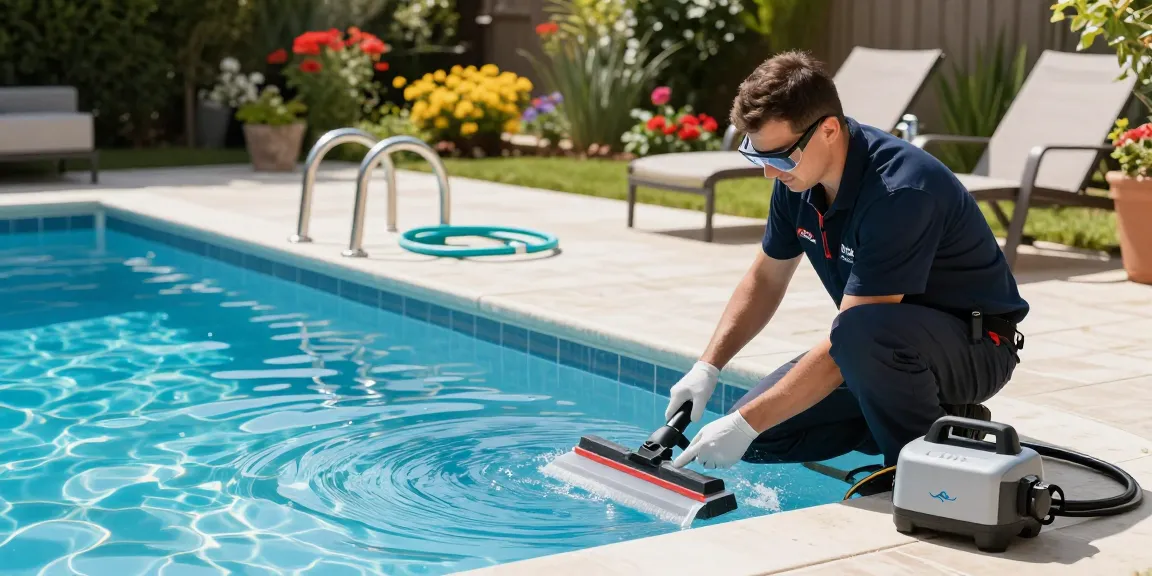
Understanding Pool Maintenance Requirements
Maintaining a pool is not just a luxury; it’s a necessity for ensuring the health and safety of its users. A well-maintained pool provides a safe and enjoyable environment, allowing families and friends to gather and create wonderful memories. From private backyard oases to public swimming facilities, the maintenance requirements can significantly differ, but the fundamental principles remain the same. Understanding the intricacies of servis bazenske tehnike is crucial for both pool owners and facility managers, ensuring that pools are not only clean but also safe for use.
What is Servis Bazenske Tehnike?
Servis bazenske tehnike, or pool technique servicing, encompasses a variety of tasks that maintain and optimize the performance of pool systems and equipment. This includes regular inspections, repairs, and the timely replacement of components to avoid larger issues down the line. In essence, it’s about keeping the pool environment functional and inviting. This service is crucial, as neglecting maintenance can lead to equipment failures, safety hazards, and costly repairs.
Common Maintenance Tasks for Different Pool Types
Diverse pool types, including in-ground, above-ground, and inflatable models, require different care strategies. Here are common maintenance tasks segmented by pool type:
- In-Ground Pools: Regular cleaning of walls and floors, checking and adjusting water chemistry, and maintaining filtration systems.
- Above-Ground Pools: Ensuring proper water levels, cleaning debris from covers and surfaces, and preparing for seasonal changes.
- Inflatable Pools: Frequent inspection for leaks, maintaining water quality, and ensuring proper inflation levels.
Ultimately, the goal is to ensure longevity and safety across all pool types by adhering to a tailored maintenance plan.
Importance of Regular Maintenance for Health and Safety
Regular maintenance is essential not just for the aesthetics of a pool but for the health of its users. Algae growth, imbalanced chemicals, and malfunctioning equipment can create unsafe swimming conditions. For instance, if the pH levels are off balance, it can lead to skin irritation or even more severe health issues. A consistent maintenance schedule helps to mitigate these risks and promotes a safe recreational space for everyone involved.
Identifying Common Pool Maintenance Mistakes
Even seasoned pool owners can fall victim to common maintenance oversights. Recognizing these errors is the first step towards better pool care.
Overlooking Water Chemistry Balance
A frequently overlooked aspect of pool maintenance is water chemistry. Maintaining the ideal pH and chlorine levels is critical for both hygiene and enjoyment. Ignoring this step can lead to problems such as skin irritation, cloudy water, and even equipment corrosion.
Neglecting Equipment Inspections
Regular inspections of pool equipment can prevent small issues from escalating into significant problems. Failing to check pumps, filters, and heaters can result in costly repairs and reduced efficiency.
Ignoring Seasonal Preparation for Pools
Many pool owners neglect the seasonal changes that require additional attention. Preparing a pool for winter or summer usage is vital for extending its life. This includes tasks like winterization, which protects pool systems from freezing temperatures, and pre-season opening procedures, ensuring everything is ready for safe swimming.
Best Practices for Effective Pool Servicing
Implementing best practices in pool maintenance can significantly enhance the pleasure and safety of your swimming environment.
Step-by-Step Guide to Regular Pool Maintenance
A comprehensive maintenance program should include:
- Daily checking of chemical levels and adjusting as necessary.
- Weekly cleaning of pool surfaces, including skimming debris and brushing walls.
- Monthly inspections of all equipment, ensuring filters and pumps function correctly.
- Seasonal checks and thorough cleanings to prepare the pool for use.
Choosing the Right Tools and Equipment
Selecting appropriate tools is crucial for effective pool maintenance. Some essentials include:
- Skimmers for surface debris removal.
- Pool vacuums for deeper cleanings.
- Water testing kits for monitoring chemical levels.
Using the right tools helps simplify the maintenance process and enhances overall effectiveness.
How to Create a Maintenance Schedule
Creating a maintenance schedule tailored to your pool type and usage patterns can facilitate a smoother maintenance process. Consider factors such as:
- The frequency of pool use.
- Environmental factors like nearby landscaping and debris.
- Seasonal changes that may require adjustments.
Establishing a routine ensures consistent upkeep, minimizing the risk of neglect.
Real-World Examples of Successful Pool Maintenance
Real-world case studies provide insight into how effective maintenance strategies can rescue neglected pools.
Case Study: Transforming a Neglected Pool
One notable example involved a community pool that had fallen into disrepair. After an initial assessment, a comprehensive plan was implemented, involving thorough cleaning, equipment updates, and chemical balancing. Within weeks, the pool transformed from an eyesore into a pristine facility, once again inviting swimmers.
Client Testimonials on Professional Servicing
Many satisfied customers have shared their experiences with professional servicing. One client noted, “Since engaging with a professional service, we’ve noticed a marked improvement in water clarity and overall enjoyment of our pool.” Such testimonials underscore the benefits of utilizing expert services.
Comparing DIY vs. Professional Pool Maintenance
While some pool owners might attempt DIY maintenance, professional services offer expertise that can prevent errors and save money in the long run. Professionals are equipped with knowledge and tools that ensure thorough and efficient maintenance, providing peace of mind.
Future Trends in Pool Maintenance for 2026
As technology advances, the pool maintenance industry is evolving, incorporating innovative practices for improved servicing.
Innovative Technologies in Pool Servicing
New technologies, such as automated pool cleaners and remote monitoring systems, are becoming more common. These advancements reduce the manual labor associated with pool maintenance and ensure real-time updates on water quality and equipment status.
Eco-Friendly Products and Practices
Today, there’s a growing trend towards environmentally friendly pool maintenance products. These include biodegradable cleaning agents and energy-efficient pumps that minimize environmental impact while maintaining pool safety.
Predictions for Pool Maintenance Industry Changes
Looking ahead, the industry may see a shift towards subscription-based maintenance services, where homeowners can rely on consistent, scheduled services without the hassle of planning each visit.
What is the best way to maintain my pool?
The best way to maintain a pool involves regular cleaning, checking water chemistry, and timely equipment servicing. Developing a routine can simplify these tasks significantly.
How often should I service my pool equipment?
It’s recommended to service your pool equipment at least once a month, with additional checks during peak usage periods.
What are the signs that my pool needs professional servicing?
Indicators may include cloudy water, persistent algae growth, or unusual sounds coming from equipment, indicating a need for professional intervention.
Can I perform pool maintenance myself?
Yes, many pool maintenance tasks can be performed by homeowners, but professional servicing is advisable for more complex issues or repairs.
How can I ensure my pool water is safe for swimming?
Regularly test the water for pH balance and sanitation levels, and ensure proper filtration is maintained to keep your pool safe.