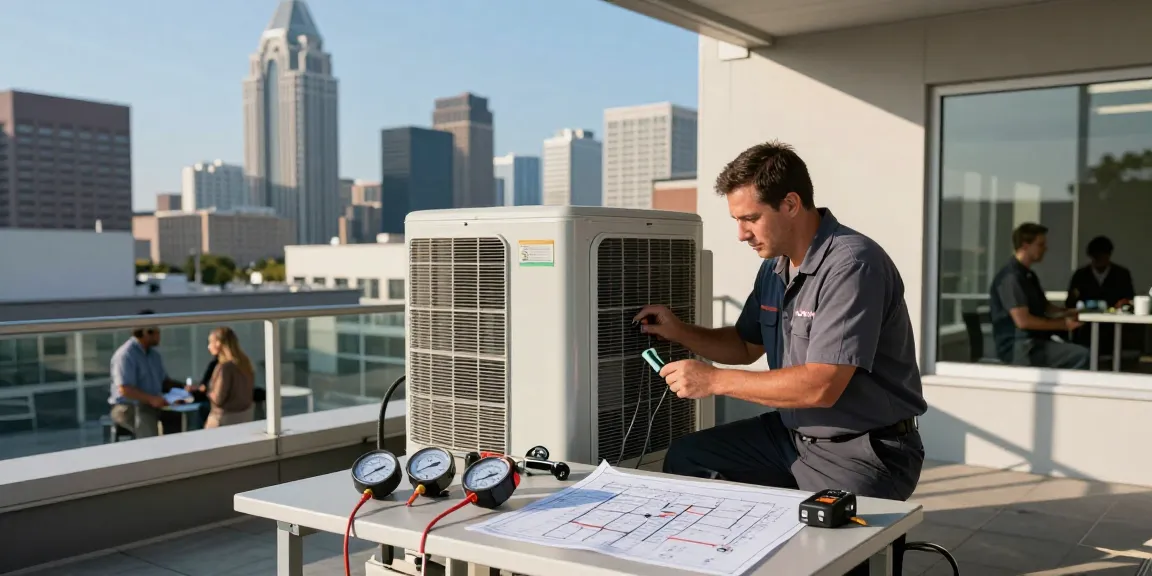
Understanding Common HVAC Problems
Heating, ventilation, and air conditioning (HVAC) systems are essential for maintaining comfort in homes and businesses, especially in climates like Atlanta where temperature fluctuations can be significant. However, these systems can be prone to various issues that may disrupt their functionality. Understanding these common HVAC problems can aid homeowners in identifying early signs of malfunction, ultimately leading to timely repairs and improved efficiency. For anyone seeking expert insights, David Vepraskas Atlanta provides comprehensive assessments and solutions for HVAC concerns.
What Are the Most Frequent HVAC Failures?
Common HVAC failures typically arise from several key issues:
- Refrigerant Leaks: Insufficient refrigerant can cause inadequate cooling and increase energy costs.
- Thermostat Problems: A malfunctioning thermostat can result in improper temperature settings and reduced comfort.
- Dirty Air Filters: Clogged filters restrict airflow, leading to increased energy consumption and strain on the system.
- Electrical Failures: Issues such as tripped breakers or faulty wiring can disrupt system operations.
- Mechanical Failures: Components like compressors or fans can wear out over time, impacting efficiency.
Signs Your HVAC System Needs Immediate Attention
Being aware of early warning signs can save homeowners from costly repairs down the line. Key indicators include:
- Unusual noises, such as grinding or squealing.
- A noticeable increase in energy bills without a change in usage.
- Inconsistent temperatures across different rooms.
- Strange odors emanating from vents.
- Frequent cycling on and off.
Myths About HVAC Systems: Debunking Misconceptions
Understanding HVAC systems can be clouded by widespread myths. Let’s clarify a few:
- Myth 1: Bigger is always better. Oversized units can lead to inefficient cooling and increased energy costs.
- Myth 2: You only need to change filters once a year. In reality, filters should be checked at least monthly.
- Myth 3: HVAC systems don’t require maintenance if they seem to be working well. Regular maintenance is essential for longevity and performance.
Professional Maintenance Tips by David Vepraskas Atlanta
Regular maintenance is key to preventing unexpected HVAC breakdowns. Here are some expert tips:
How Regular Maintenance Prevents Costly Repairs
Scheduled maintenance can significantly reduce the likelihood of major failures. This proactive approach allows technicians to identify small issues before they evolve into significant problems, saving money and ensuring comfort. Regular check-ups can also extend the life of your system, making it a wise investment.
Checklist for Seasonal HVAC Maintenance
To keep your HVAC system running efficiently, adhere to this seasonal maintenance checklist:
- Replace or clean air filters monthly.
- Inspect condenser and evaporator coils at least once a year.
- Check refrigerant levels and recharge as necessary.
- Clean drain lines to prevent clogs and water damage.
- Inspect insulation around ducts and replace as needed.
Tools Every HVAC Technician Should Have
Equipping HVAC technicians with the right tools is essential for effective service. Key tools include:
- Digital multimeter for electrical diagnostics.
- Refrigerant scale for accurate measurements.
- Vacuum pump for system evacuations.
- Manifold gauge set for pressure testing.
- Basic hand tools like screwdrivers, wrenches, and pliers.
DIY Solutions for Minor HVAC Issues
While professional help is often necessary, homeowners can tackle minor HVAC issues themselves. Here’s how:
Basic Troubleshooting: When to Call a Professional
Simple troubleshooting can resolve minor problems. If your system won’t turn on, check the thermostat settings and ensure power sources are functioning. For refrigerant issues or complex electrical problems, however, it’s best to consult a professional.
Safety Guidelines for HVAC Repairs
Safety should always come first. Follow these guidelines:
- Turn off power to the unit before attempting repairs.
- Use appropriate personal protective equipment.
- Be aware of sharp components and refrigerant exposure.
- Follow manufacturer instructions for any repairs performed.
Common DIY HVAC Fixes That Save Money
Simple tasks can lead to significant savings. Common DIY fixes include:
- Replacing air filters regularly.
- Sealing drafty windows and doors to reduce heating and cooling loss.
- Cleansing outdoor units from debris.
Choosing the Right HVAC System for Your Needs
When selecting a new HVAC system, consider these important factors:
Factors to Consider When Selecting an HVAC Unit
Choosing the right HVAC unit involves evaluating:
- The size of your home or business.
- The local climate’s impact on system performance.
- Energy efficiency ratings to reduce utility costs.
- Type of fuel available (gas, electric, or hybrid).
Energy Efficiency Ratings Explained
Understanding energy efficiency ratings such as SEER (Seasonal Energy Efficiency Ratio) and EER (Energy Efficiency Ratio) can help you choose a system that minimizes energy consumption. Look for higher ratings to ensure you’re investing in an efficient system.
Long-Term Savings from Upgrading Your HVAC System
Investing in a modern, efficient HVAC system can lead to substantial long-term savings. New units often run more efficiently, reducing energy bills and providing consistent climate control. Additionally, many new systems come with warranty protections, further safeguarding your investment.
Future Trends in HVAC Technology for 2026 and Beyond
The HVAC industry is rapidly evolving, with new technologies emerging to enhance efficiency and user experience.
Smart HVAC Systems: What You Need to Know
Smart HVAC systems utilize advanced technology to provide remote monitoring and control. Homeowners can adjust temperatures from their smartphones, receive maintenance reminders, and even detect issues early. This trend towards connectivity enhances efficiency and convenience.
Innovations in Energy Efficiency and Sustainability
Emerging technologies are focusing on sustainability. Look for systems that utilize renewable energy sources, such as solar or geothermal systems, which can significantly reduce environmental impact while maintaining comfort.
Predictions for HVAC Regulation Changes in Atlanta
As environmental consciousness grows, expect tighter regulations surrounding HVAC systems. These might include stricter efficiency standards or incentives for using renewable energy sources, making it advantageous for homeowners to stay informed of upcoming changes.
What should I do when my HVAC system fails?
When faced with an HVAC failure, first check the power supply, reset the thermostat, and replace filters. If these steps do not resolve the issue, it’s best to contact a certified professional for an evaluation.
How often should I schedule HVAC maintenance?
Scheduling maintenance twice a year is recommended to ensure that your HVAC system operates efficiently. Regular check-ups can catch potential issues before they escalate into costly repairs.
Can I repair my HVAC system myself?
While minor repairs can often be completed by homeowners, significant issues such as refrigerant leaks or electrical problems should be left to qualified HVAC professionals to ensure safety and compliance with regulations.
What are the benefits of a smart HVAC system?
Smart HVAC systems improve energy efficiency, provide convenience through remote control, and enable proactive maintenance alerts, all of which contribute to lower operating costs and enhanced comfort.
How can I improve the efficiency of my HVAC system?
Enhancing the efficiency of your HVAC system can be achieved by regularly changing filters, sealing ductwork, using programmable thermostats, and investing in insulation to prevent energy loss.