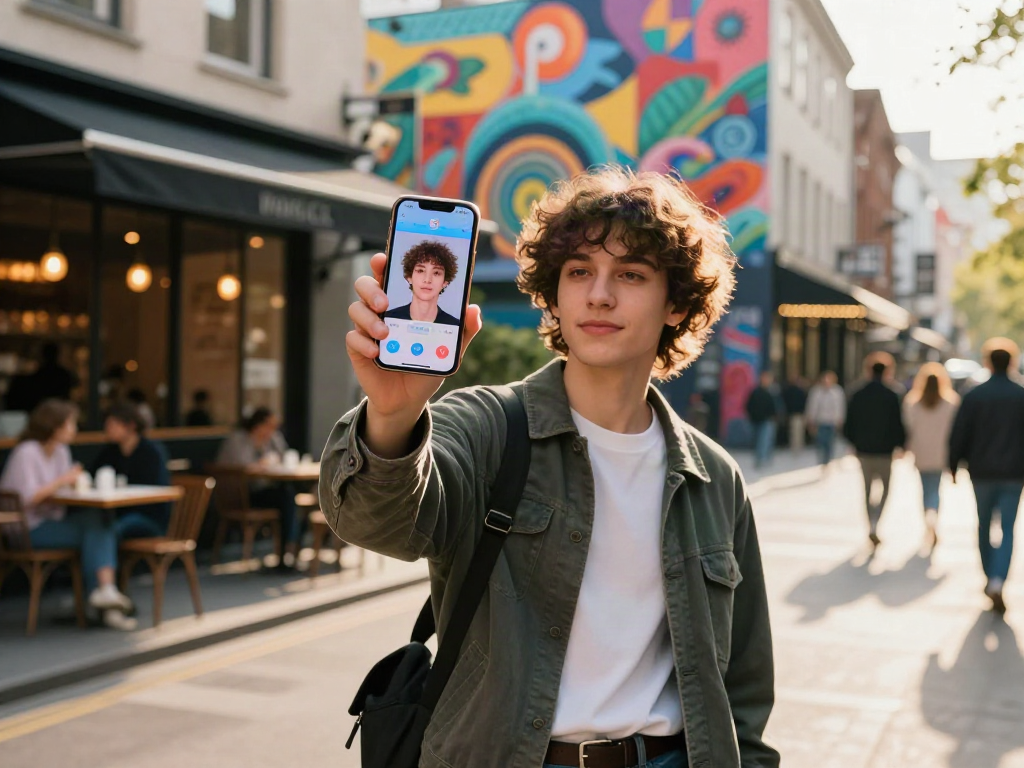
Understanding Facial Age Estimation Technology
As technology continues to evolve, so does our understanding of human appearance and the factors influencing it. In recent years, facial age estimation has emerged as an intriguing and popular application of artificial intelligence (AI). From personal curiosity to social media trends, many people have found themselves asking, 'how old do I look?' In this comprehensive guide, we explore the intricacies of age estimation technology, the tools available, and the implications on our perceptions of age and beauty. If you’re considering this kind of technology, how old do I look can provide comprehensive insights into your journey.
What is Age Estimation and How Does it Work?
Age estimation refers to the process of predicting a person's age based on visual cues, primarily through facial features. Algorithms analyze images and utilize various metrics such as wrinkles, skin texture, and facial contours to make predictions. The technology operates on large datasets of images annotated with the ages of individuals, enabling machine learning models to understand how aging manifests physically.
The Role of AI in Age Prediction
Artificial intelligence plays a significant role in enhancing the accuracy of age estimation tools. Deep learning techniques, especially convolutional neural networks (CNNs), are employed to train models that can process and analyze facial images in nuanced ways. As these models receive more data, they become increasingly adept at discerning subtle differences that indicate age, resulting in highly reliable outputs.
Common Misconceptions About Age Estimation Technologies
Despite the advancements in technology, common misconceptions persist regarding age estimation. One significant myth is that these tools can predict biological age accurately. While they can provide a narrow estimate based on facial appearance, they do not account for lifestyle factors, genetics, or health status that significantly influence biological aging. Therefore, while they can be fun and informative, users should approach the results with a critical mindset.
Popular Apps and Tools for Age Estimation
The proliferation of age estimation apps over the past few years has made it easier than ever for users to explore their perceived age through various platforms. Some of the most well-known options are FaceAge.ai and Fotor, which allow users to upload images and receive immediate feedback. These tools not only provide age estimates but often incorporate additional features like beautification and editing capabilities.
Review of Top Age Estimation Apps for 2026
As of 2026, several apps have emerged as frontrunners in the age estimation category:
- FaceAge.ai: This app uses AI to analyze uploaded images swiftly, offering a reliable estimate of your age while emphasizing user privacy.
- Fotor: Known for its user-friendly interface, Fotor allows for easy uploads and quick analyses without the need for any downloads or sign-ups.
- BeautyPlus: This app focuses not only on age estimation but also on enhancing facial features, making it a popular choice among younger users concerned about their appearance.
Comparison of Features: What to Look For?
When selecting an age estimation app, consider the following features:
- Accuracy: Look at user reviews to gauge how accurate the app's predictions are.
- User Privacy: Ensure that the app has a clear privacy policy and robust data security measures in place.
- User Interface: A simple, intuitive interface can enhance your overall experience.
- Additional Features: Consider if the app offers beauty enhancements or other functionalities that align with your interests.
User Experiences and Testimonials
User experiences with age estimation apps vary widely. Many find the results amusing and share them on social media platforms as a fun trend. Users often report that seeing their 'app age' encourages discussions around beauty standards and societal perceptions of aging. However, some users express concern over the emotional impact these estimates can have, particularly if their perceived age does not align with their expectations.
Privacy Concerns with Age Estimation Tools
As with any technology that involves personal data, privacy concerns are paramount when it comes to age estimation apps. Users should be informed about how their data is collected and used, as well as the security measures in place to protect their information.
Data Security in Age Estimation Apps
Leading apps implement various security protocols to safeguard user data. Encryption during data transmission and storage helps prevent unauthorized access. Additionally, robust authentication methods ensure that only authorized users can access sensitive data. Always opt for apps that are transparent about their security practices.
How Apps Protect User Privacy
Many reputable age estimation apps have adopted privacy-first policies that limit data retention and usage. Some may anonymize the images uploaded to disassociate them from user accounts. Furthermore, it is essential to read user agreements carefully before engaging with these platforms to understand how your images and data might be used.
Understanding User Agreements and Consent
User agreements often detail how data is handled, who has access to it, and for what duration it is stored. Consent is a crucial aspect of using these apps; users should be aware of their rights regarding image use and data management. Apps that do not require sign-up or personal information collection are generally considered safer options.
Impact of Age Estimation on Self-Perception
The advent of age estimation technology has raised questions regarding its influence on self-perception and societal standards. Many users find themselves reflecting on their identities in light of the app-generated feedback, which can drive both positive and negative feelings surrounding aging.
Psychological Effects of Knowing Your "App Age"
Understanding how old one appears can impact self-esteem. For some, a younger appearance may bolster confidence, while others who perceive themselves as older might face insecurities. The psychological ramifications can vary widely, leading to discussions about the societal value placed on youth.
Influence on Social Interactions and Confidence
Age estimation tools also have social implications, as users may change how they present themselves based on perceived age. Individuals may adjust their grooming, fashion, or demeanor accordingly, often driven by a desire to either align with or defy societal expectations of age.
Addressing Ageism Through Technology
On a broader scale, age estimation technology can help challenge ageist stereotypes by providing a non-judgmental framework around age perception. By normalizing discussions about age through technology, society may become more inclusive and accepting of aging as a natural process.
Future Trends in Age Estimation and AI Technologies
The landscape of age estimation technology is continuously evolving. Emerging trends indicate a shift towards more personalized and accurate tools that leverage advancements in AI and machine learning.
Innovative Features to Expect in Future Apps
Future age estimation apps are likely to incorporate more sophisticated features, such as:
- Additive analysis: Combining facial age estimation with lifestyle input (diet, exercise) for a more holistic view of one’s biological age.
- Augmented Reality (AR): Real-time age estimation capabilities using AR technology for instant feedback during live interactions.
- Social integration: Features that allow users to compare their perceived age with friends or within community groups.
Potential Developments in Facial Recognition Technology
Facial recognition technology continues to advance, with implications for age estimation. Future developments may allow for real-time analysis and deeper insights into facial movements, expressions, and conditions, contributing to a more nuanced understanding of how individuals age over time.
Impact of Emerging Technologies on Age Estimation
Emerging technologies, such as quantum computing and advanced neural networks, may revolutionize age estimation by enhancing the speed and accuracy of predictions. These tools could provide insights that are both broader and more precise, changing how we think about age and appearance.
How Can These Technologies Help Us? FAQs
- What should I consider before using an age estimation app? Assess privacy policies, check user reviews, and consider your emotional well-being regarding the implications of age estimation.
- Are these apps accurate for everyone? While many apps provide reasonably accurate estimates for the general population, individual results may vary based on factors such as gender and ethnicity.
- How is my data used after I upload a photo? Reputable apps will typically anonymize and secure data, using it only for analysis unless specified otherwise in their agreements.
- Can I trust age estimation apps with my privacy? Choose apps with clear privacy statements and robust security features to protect your data.
- What happens if I don’t like the result? Most apps allow you to retake photos or interpret results in different contexts, but it’s essential to remember that these are just estimates. Your self-worth is not defined by an app’s prediction.