Understanding Attractiveness: The Science Behind Perception
Attractiveness is a multifaceted concept that is often dissected through various lenses, including psychology, culture, and even biology. In our contemporary society, the quest to understand and quantify personal beauty has prompted the rise of numerous online tools and applications. From advanced algorithms to user-oriented interfaces, these resources allow individuals to test attractiveness and receive instant feedback. This article delves into the scientific principles that underpin perceptions of beauty and how individuals can utilize this knowledge effectively.
What Factors Determine Attractiveness?
Attractiveness is not a one-size-fits-all quality; it is influenced by numerous factors, both subjective and objective. Here are some of the primary elements that contribute to how people perceive beauty:
- Symmetry: Research suggests that facial symmetry is often associated with beauty. Individuals with symmetrical features are frequently rated as more attractive.
- Proportions: The golden ratio, a mathematical ratio of approximately 1.618, is often cited in discussions of beauty. Faces and bodies that approximate this ratio tend to be viewed as more appealing.
- Skin Quality: Clear skin is often associated with health and vitality, enhancing attractiveness. Conditions such as acne or blemishes can detract from a person's overall perceived beauty.
- Cultural Influences: Beauty standards vary significantly across different cultures and time periods, which can influence how attractiveness is perceived.
- Personal Traits: Charismatic traits such as confidence, kindness, and humor can elevate an individual's attractiveness, regardless of their physical features.
The Role of AI in Measuring Beauty
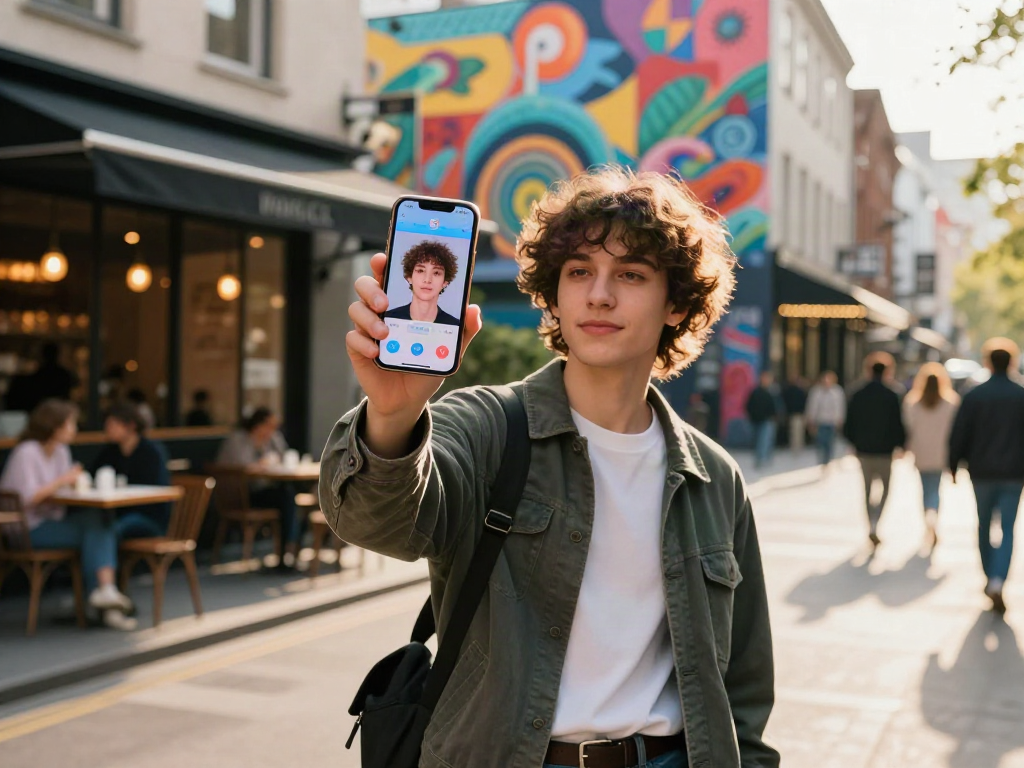
The advent of artificial intelligence (AI) has revolutionized the way we assess attractiveness. Algorithms can analyze facial features, compare them against established beauty standards, and provide ratings based on multiple criteria. These AI-driven tools have become prominent in online attractiveness tests, offering users an immediate score based on their uploaded photographs. However, it's essential to remember that while these tools can provide insight, they cannot fully encapsulate the nuanced perception of beauty.
Common Misconceptions About Attractiveness Tests
Despite their growing popularity, there are several misconceptions surrounding attractiveness tests. Many users believe that these tests provide a definitive measure of their worth or desirability. In reality, attractiveness is highly subjective and can fluctuate based on context and personal preference. Another common myth is that all AI-based tests are equally accurate; however, the methodologies and algorithms employed can vary widely, resulting in differing outcomes.
How to Test Attractiveness Effectively
To derive meaningful insights from attractiveness tests, individuals should approach them with a level of awareness and critical thought. Here are some practical guidelines to follow:
Choosing the Right Attractiveness Test
The market is saturated with various attractiveness testing tools, each employing different methodologies. When selecting a test, consider the following:
- Reputation: Look for tests with positive reviews and a transparent methodology.
- Features: Some tools offer a more comprehensive analysis, including facial feature breakdowns and suggestions for improvement.
- Privacy: Ensure that the tool respects your privacy and data security. Avoid platforms that require unnecessary personal information.
Factors to Consider When Uploading Your Photo
The quality and type of photo uploaded can greatly affect the results of an attractiveness test. Here are some key factors to consider:
- Lighting: Good lighting can enhance your facial features, making it easier for the algorithm to assess your attributes.
- Background: A simple background minimizes distractions and allows the focus to remain on your face.
- Expression: A natural expression is often the best choice for an accurate analysis. Avoid overly posed or forced smiles.
Interpreting Your Attractiveness Score
After receiving your attractiveness score, it’s crucial to interpret it wisely. High scores can boost confidence, while lower scores should not be taken as a personal failing. Rather, consider these scores as information that can guide personal development or highlight areas you wish to improve.
Practical Applications of Attractiveness Testing
Understanding your attractiveness score can have several practical applications, both personally and socially. Here are some areas where this knowledge can be beneficial:
Using Results for Personal Development
Your attractiveness score can serve as a useful tool for personal growth. Consider engaging in activities that enhance your physical appearance or improve self-perception. This may include skincare routines, fitness regimens, or honing social skills.
Integrating Feedback into Social Interactions
Awareness of how you are perceived can enhance your social interactions. Use insights gained from attractiveness tests to tailor your approach to different social settings, boosting your confidence and rapport with others.
Enhancing Confidence Through Self-Perception
Ultimately, attractiveness testing can help foster a more positive self-image. By understanding both your strengths and areas for improvement, you can cultivate a sense of confidence that extends beyond physical appearance.
Future Trends in Attractiveness Testing Technology
As we look towards the future, the landscape of attractiveness testing is poised for transformation. Here are some anticipated innovations that could shape this field in 2026 and beyond:
Predicted Innovations for 2026 and Beyond
Emerging technologies such as augmented reality (AR) and virtual reality (VR) may soon be integrated into attractiveness testing. These advancements could allow users to visualize their scores in real-time and experiment with different looks to see what enhances their attractiveness.
The Impact of Social Media on Beauty Standards
Social media platforms continue to play a crucial role in shaping contemporary beauty standards. The algorithms driving these platforms often emphasize certain aesthetic ideals, which in turn influences the attractiveness tests that proliferate in these digital spaces. Understanding this relationship is key to interpreting your attractiveness score within context.
Ethical Considerations in AI-Based Attractiveness
As AI continues to evolve, ethical concerns around its use in measuring beauty are becoming increasingly prominent. Issues such as bias in AI algorithms, the mental health implications of attractiveness testing, and the potential for fostering unrealistic beauty standards must be critically examined as we advance in this field.
Exploring FAQs About Attractiveness Testing
How can I test my attractiveness?
You can test your attractiveness by utilizing online platforms that offer AI-driven analysis of facial features. Simply upload a clear photo, and the algorithm will provide an attractiveness score based on various criteria.
Is there an accurate attractiveness test?
While many tests claim to offer accuracy, the truth is that results can vary widely based on the algorithms used. It's important to choose a reputable platform that explains its methodology.
What do different attractiveness scores mean?
Attractiveness scores generally fall within a numerical range, with higher scores indicating greater perceived attractiveness. However, interpretations can vary; a score should be viewed as a point of information rather than a definitive measure of worth.
Is a 7 out of 10 considered attractive?
Generally, a score of 7 out of 10 is considered attractive, though perceptions vary by individual and cultural standards.
How does AI analyze facial features?
AI analyzes facial features by employing complex algorithms that consider factors such as symmetry, ratios, and even specific facial landmarks. The effectiveness of these analyses can differ based on the technology used.