
Understanding Eye Health: The Importance of Regular Check-Ups
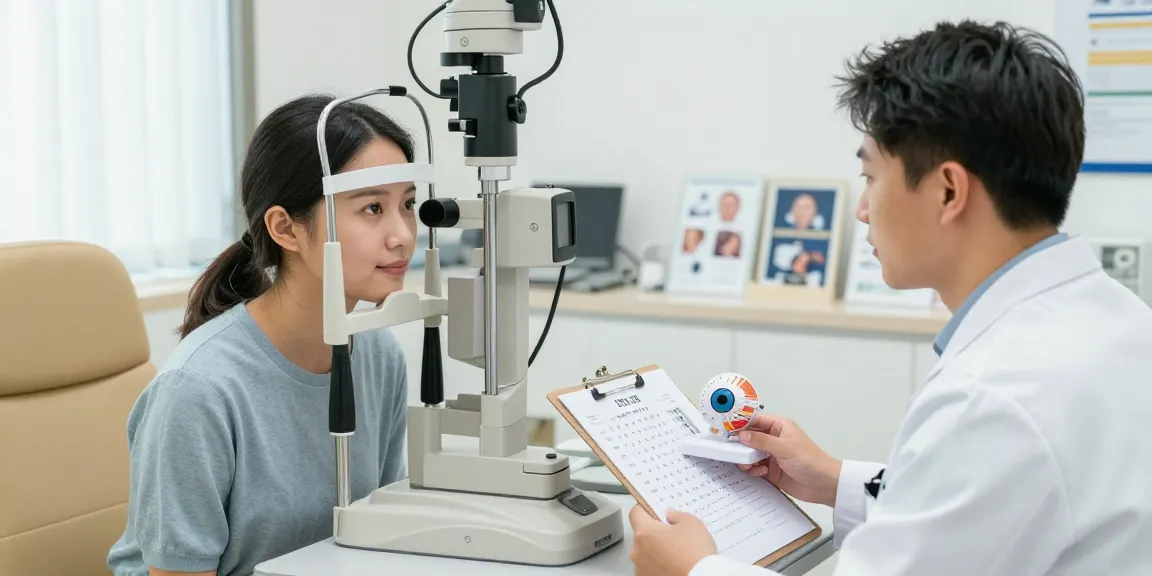
Regular eye check-ups are crucial for maintaining optimal eye health, as they can help detect potential issues before they evolve into serious conditions. In a world where visual demands are increasing due to technological advancements, prioritizing eye care has never been more critical. At SNU Eye Clinic, we emphasize the significance of routine examinations, ensuring that our patients receive comprehensive evaluations tailored to their unique needs. This approach not only enhances overall eye health but also enriches the experience and outcome of our vision correction services. When exploring options, a site manual check provides comprehensive insights into available services and treatment strategies that meet various needs.
Why Routine Eye Exams Matter for Everyone?
Routine eye exams are beneficial for individuals of all ages and backgrounds. They serve several purposes beyond simply determining prescription glasses or contact lenses. Regular evaluations can:
- Detect Early Symptoms: Many eye conditions, such as glaucoma and diabetic retinopathy, may not present noticeable symptoms until they are in advanced stages. Routine exams can catch these issues early, leading to timely interventions.
- Monitor Existing Conditions: For patients with pre-existing conditions like diabetes or hypertension, regular eye exams are essential to monitor their effects on eye health.
- Assess Vision Changes: Vision can change over time. Regular visits help ensure prescriptions are up-to-date, contributing to better visual clarity and comfort.
- Provide Personalized Care: With advanced testing capabilities at SNU Eye Clinic, our specialists can provide tailored recommendations based on individual health histories and lifestyle factors.
Common Eye Conditions Detected Through Manual Checks
Through comprehensive manual checks, several prevalent eye conditions can be identified, including:
- Cataracts: Clouding of the lens, leading to blurry vision.
- Macular Degeneration: Deterioration of the central portion of the retina, affecting sharp vision.
- Glaucoma: Increased intraocular pressure that can damage the optic nerve.
- Retinal Detachment: A serious condition where the retina separates from the back of the eye, requiring immediate intervention.
How SNU Eye Clinic Enhances Your Eye Health Journey
At SNU Eye Clinic, we employ innovative technology and a detailed approach to elevate your eye health journey. Our comprehensive program features 52 detailed tests categorized under seven key areas, ensuring that we leave no stone unturned in assessing your eye health. Our team of specialists is dedicated to providing personalized care, taking the time to understand each patient’s unique needs and health goals.
Advanced Eye Treatments Available at SNU Eye Clinic
Overview of Key Treatments Offered
At SNU Eye Clinic, we pride ourselves on offering an array of advanced eye treatments designed to address various vision problems with precision and care. Our key treatments include:
- Laser Vision Correction: State-of-the-art LASIK and PRK surgeries to reshape the cornea, enhancing visual acuity without the need for glasses or contacts.
- ICL and Toric ICL: Implantable Collamer Lens (ICL) offers a permanent solution for individuals with high prescriptions or thin corneas. Toric ICL corrects astigmatism while providing clear vision.
- Cataract Surgery: Utilizing advanced techniques like phacoemulsification, we ensure safe and effective cataract removal.
- Retinal Treatments: Specialized care for retinal detachments, diabetic retinopathy, and macular degeneration.
Innovations in ICL and Toric ICL Procedures
The ICL (Implantable Collamer Lens) procedure is revolutionizing vision correction, especially for those who are not candidates for laser surgery. The Toric ICL, specifically designed for astigmatism, offers exceptional precision. These lenses provide a natural feel and improved contrast sensitivity. SNU Eye Clinic employs cutting-edge technology during these procedures, ensuring minimal downtime and optimal recovery for patients.
Personalized Vision Correction Techniques Explained
Personalization in eye care is paramount. At SNU, we conduct detailed assessments to tailor our vision correction solutions to individual needs. Techniques involve:
- Custom LASIK: Based on corneal mapping, offering uniquely precise corrections.
- Combination Therapy: Utilizing a mix of treatments for complex vision problems, ensuring the best outcomes.
- Post-Operative Monitoring: Continuous follow-up care to ensure vision stability and satisfaction.
The Patient Experience: What to Expect When You Visit
Step-by-Step Guide to Your First Eye Consultation
Embarking on your journey to better eye health at SNU Eye Clinic begins with your initial consultation. Our process includes:
- Initial Assessment: A thorough review of your medical history.
- Vision Testing: Comprehensive tests to determine your current vision status.
- Detailed Examinations: Utilizing advanced technology to assess the health of your eyes.
- Consultation: Discussing findings and potential treatment options tailored to your needs.
Understanding the Testing and Treatment Process
The testing process at SNU Eye Clinic is thorough and informative. Our specialists utilize cutting-edge technology to perform each of the 52 detailed tests, ensuring a clear and accurate understanding of your eye health. Treatments are carefully explained, empowering patients to make informed decisions.
Patient Testimonials: Real Stories from SNU Eye Clinic
Nothing speaks louder than the experiences of our patients. Many have expressed their satisfaction with the personalized care and successful outcomes they achieved through our advanced treatments. Testimonials shed light on how we’ve transformed lives by restoring vision and enhancing the quality of life.
Choosing the Right Eye Care Team: Why SNU Stands Out
Expertise and Experience: Meet Our Specialists
Our team at SNU Eye Clinic is composed of highly qualified specialists with extensive experience in their respective fields. They are dedicated to staying abreast of the latest advancements in eye care, ensuring that every patient receives cutting-edge treatments and the best possible care.
State-of-the-Art Technology Used in Our Clinic
Technology is at the forefront of our practice. From advanced diagnostic tools to the latest surgical equipment, SNU Eye Clinic invests in state-of-the-art resources that enhance the efficiency and effectiveness of our services.
How We Ensure Personalized Care for Every Patient
Personalized care is our hallmark. We understand that every patient is unique, and we strive to offer tailor-made solutions that cater to individual preferences and health requirements. Through meticulous assessments and open communication, we build strong partnerships with our patients.
Future Trends in Eye Care: What to Expect in 2026
Emerging Technologies in Eye Health Assessment
The landscape of eye care is ever-evolving. In 2026, we expect an increase in the use of artificial intelligence and machine learning to analyze eye health data, aiding in early diagnosis and personalized treatment planning.
The Rise of Telemedicine in Eye Care Accessibility
Telemedicine is set to revolutionize eye care accessibility, allowing patients to consult with specialists remotely. This trend increases convenience, particularly for those in remote areas or with mobility challenges.
Predictions for Eye Surgery Developments and Enhancements
As surgical techniques advance, we anticipate significant improvements in minimally invasive procedures, reduced recovery times, and enhanced outcomes for patients undergoing eye surgery.
What tests are included in a comprehensive eye examination?
A comprehensive eye examination at SNU Eye Clinic includes visual acuity tests, refractive error assessment, eye pressure measurement, and dilation for a thorough view of the eye’s internal structure.
How often should I have my eyes checked?
The frequency of eye exams can vary based on age, health status, and risk factors. Generally, adults should have their eyes checked every 1-2 years, while children may require more frequent evaluations.
What should I bring to my first appointment?
During your first appointment, it’s advisable to bring your medical history, current medications, and any eyewear you currently use, along with a list of questions you may have for your eye care provider.
Are there any risks associated with ICL/Toric ICL procedures?
While ICL and Toric ICL procedures are generally safe, potential risks include infection, cataract formation, and complications related to the lens position. Discussing these risks during your consultation is important for informed decision-making.
How does SNU ensure patient satisfaction?
At SNU Eye Clinic, patient satisfaction is our top priority. We continuously gather feedback, implement improvements, and ensure that our patients feel supported throughout their eye care journey.


