
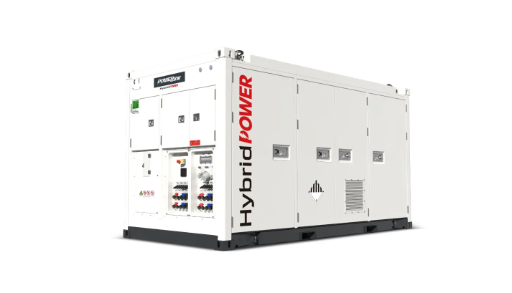
As construction projects become larger and more complex, the demand for reliable and efficient energy solutions continues to increase. Construction sites often operate in remote locations where access to grid electricity is limited or unavailable. At the same time, project managers must control operational costs while ensuring that equipment, lighting, and site facilities remain fully functional throughout the project lifecycle.
To meet these challenges, many companies are adopting hybrid power systems. By combining multiple energy sources and storage technologies, hybrid solutions provide greater flexibility and efficiency than traditional energy systems. As a result, they are becoming an important part of modern gas generator strategies for construction projects.
The Growing Need for Efficient Construction Site Power
Construction sites require electricity to support a wide range of activities, including operating machinery, powering temporary offices, providing site lighting, and running communication systems. Energy demands can vary significantly throughout different stages of a project, making efficient power management essential.
Traditional power solutions may not always provide the flexibility needed to handle changing energy requirements. Hybrid systems help address this challenge by integrating different technologies to create a more balanced and adaptable energy infrastructure.
Benefits of Hybrid Power Systems
Modern hybrid energy solutions offer several advantages for construction companies and project managers.
Improved Energy Efficiency
Hybrid systems optimize energy usage by combining different power sources and storage technologies to reduce unnecessary fuel consumption.
Enhanced Operational Reliability
By utilizing multiple energy resources, hybrid solutions help maintain a stable electricity supply even when energy demands fluctuate.
Lower Operating Costs
More efficient energy management can help reduce fuel expenses and support better overall project economics.
Support for Diverse Construction Applications
Hybrid power systems are commonly used for:
• Construction equipment and machinery
• Temporary site offices
• Mobile lighting towers
• Worker accommodation facilities
• Communication systems
• Remote project locations
These applications demonstrate the growing role of hybrid Power Generation technologies in the construction industry.
Choosing the Right Hybrid Energy Solution
Selecting a hybrid system requires careful consideration of project size, energy demand, site conditions, and long-term operational goals. Construction companies should evaluate solutions that can adapt to changing requirements while maintaining dependable performance.
For organizations seeking advanced energy technologies, Power Generation offers hybrid solutions designed for commercial and industrial applications. In many projects, a gas generator can also be integrated into a hybrid energy system, providing additional flexibility and reliable power support when needed.
Conclusion
As construction projects continue to demand greater efficiency and reliability, hybrid power systems are becoming an increasingly valuable solution. Their ability to combine multiple energy resources helps organizations optimize energy usage while supporting continuous site operations.
Whether powering equipment, site facilities, or remote construction projects, hybrid technologies contribute to more effective Power Generation strategies. Combined with solutions such as a gas generator, hybrid power systems provide construction companies with the flexibility needed to meet the challenges of modern project environments.