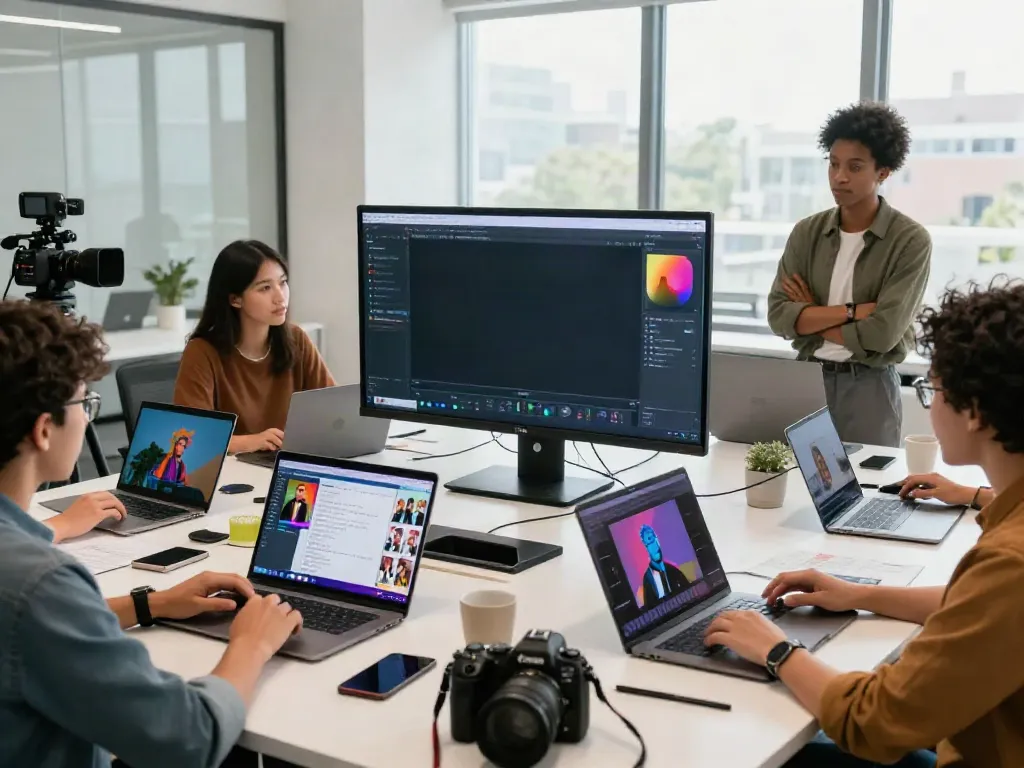
Understanding the Typeshutter Problem in AI Photography
The evolution of photography has taken a dramatic turn with the advent of artificial intelligence (AI) tools. However, amidst these advancements lies a challenge known as the Typeshutter problem. This issue primarily pertains to artifacts and distortions that arise in images due to improper shutter mechanisms or settings, particularly in AI-generated visuals. Understanding this problem is crucial for photographers and videographers who leverage AI technologies to enhance their work.
What is the Typeshutter Problem?
The "Typeshutter problem" refers to artifacts that can affect the quality of images captured, especially when using electronic shutters in digital cameras. These artifacts can manifest as banding, rolling shutter effects, or other distortions that detract from the intended visual experience. In AI photography, where every pixel is vital for rendering lifelike images, understanding the intricacies of shutter mechanics becomes paramount.
Common Causes and Effects on Imagery
- Rolling Shutter Effects: Common with electronic shutters, these effects cause distortion during rapid motion. They can lead to skewed images, particularly noticeable in videos.
- Banding: This manifests as visible lines across an image, especially in gradients or uniform color areas, indicating a problem with how the sensor captures light.
- Mismatched Shutter Speeds: Using incompatible shutter speeds can lead to exposure issues, resulting in dark or overly bright images that fail to capture the scene accurately.
When photographers fail to recognize these issues, the result is often a loss in image quality and viewer engagement, making it imperative to be aware of how shutter mechanics influence the final output.
Comparing Traditional vs. AI Solutions
Traditional camera systems often rely on mechanical shutters, which, while susceptible to wear, provide reliable and consistent results. In contrast, AI solutions introduce a layer of complexity that demands a deeper understanding of both the technology and the potential pitfalls. AI-generated images can sometimes oversaturate colors or introduce artifacts due to quick rendering processes. Therefore, understanding the Typeshutter problem is vital for making informed decisions on image capturing and processing techniques.
Exploring AI Tools for Image Enhancement
AI Character Generator: Transforming Visuals
AI character generators have revolutionized the process of creating lifelike or fantastical characters for various media. These tools can seamlessly integrate character development into a photographer's workflow, allowing for an enhanced narrative within images. However, ensuring the accuracy of these AI models is essential to prevent the Typeshutter problem from affecting the realism of generated visuals.
Professional Retouching Techniques
Professional retouching techniques have evolved with AI, allowing photographers to enhance their images significantly. Adopting AI-driven tools can help photographers streamline their workflow, ensuring they can address any issues related to the Typeshutter problem quickly. Techniques such as frequency separation and AI-assisted correction tools can help mitigate effects such as banding or tonal mismatches.
Making the Most of AI Image Variations
AI image variations allow photographers to explore different interpretations of a single shot. This feature is especially useful when attempting to find the perfect visual style. By generating multiple variations, photographers can evaluate which images best align with their vision, learning how to avoid common pitfalls tied to the Typeshutter problem in the process.
Best Practices for Avoiding the Typeshutter Problem
Optimizing Camera Settings: What You Need to Know
Being aware of camera settings is crucial for avoiding the Typeshutter problem. Key settings to monitor include shutter speed, ISO, and aperture. A balanced combination can minimize the risk of artifacts and ensure a cleaner image. For example, utilizing optimal shutter speeds can help maintain clarity when capturing fast-moving subjects.
Using AI Camera Control Effectively
AI camera control systems can aid photographers in achieving optimal settings automatically. These systems can analyze scenes and adjust parameters to prevent common shutter-related issues. By harnessing AI, photographers can focus more on creativity rather than technical concerns, leading to richer outcomes.
Engaging with Community Feedback for Improvement
Engagement within the photography community can provide invaluable insights into tackling the Typeshutter problem. Networking with other creatives allows for the sharing of experiences, tips, and techniques. Participating in forums or social media groups can offer support, especially when dealing with specific challenges related to AI technology.
Future Trends in AI-Powered Visuals for 2026
Emerging Technologies Shaping the Industry
As we move toward 2026, the landscape of AI-powered visuals is set to evolve dramatically. Emerging technologies such as machine learning algorithms will enhance image quality and reduce issues related to the Typeshutter problem. Innovations in sensor technology will likely provide better solutions for mitigating shutter-related artifacts in both stills and video formats.
Predicting User Experience Changes
User experiences will gravitate towards more immersive and interactive forms of photography and video content. Photographers equipped with advanced AI tools will be able to craft visuals that engage audiences like never before. Understanding the Typeshutter problem will be essential in ensuring that these experiences are seamless and enjoyable for the viewer.
Preparing for Evolving Visual Content Standards
As photography continues to blend with AI, standards around visual content will evolve. It will become increasingly essential for photographers to stay informed about technological advancements that can alleviate issues such as the Typeshutter problem. Adapting to industry standards will require education and ongoing practice, ensuring content remains competitive and visually stunning.
Frequently Asked Questions about Typeshutter Problem
What are the downsides of using electronic shutters?
Electronic shutters often lead to problems such as rolling shutter effects and banding, particularly in fast-moving scenes. These issues can compromise the overall quality of images, making it crucial to select the right shutter system based on the shooting conditions.
How can AI tools help fix the Typeshutter problem?
AI tools can analyze images for distortions and suggest corrections, automating the retouching process. Advanced algorithms can also predict potential shutter issues during image capture, helping photographers make necessary adjustments in real-time.
What are common challenges in AI photography?
Some common challenges include managing image quality, dealing with artifacts, and ensuring lifelike representations of subjects. Understanding the Typeshutter problem is critical to overcoming these challenges and ensuring high-quality outputs.
How does shutter speed impact image quality?
Shutter speed directly influences the exposure of an image and can determine how motion is captured. If too fast or too slow, it can lead to overexposed, underexposed, or distorted images, emphasizing the need for careful consideration of settings.
What future innovations can we expect in photography?
Future innovations will likely include advances in AI technologies, improved sensor capabilities, and more sophisticated image processing tools. These developments aim to enhance user experience and address existing issues like the Typeshutter problem.