Understanding Ceiling Speakers: The Basics
In contemporary audio environments, ceiling speakers have become a staple for both residential and commercial sound systems. These discreetly installed devices not only enhance the aesthetic appeal of any room but also deliver impressive sound quality without the clutter of traditional speakers. When exploring options, اسپیکر سقفی offers comprehensive insights into various models, features, and specifications tailored for different spaces.
What is a Ceiling Speaker?
A ceiling speaker is a type of audio device that is installed flush within the ceiling, making it a popular choice for those looking to maximize space or minimize visual clutter. Unlike traditional speakers that sit on stands or shelves, ceiling speakers integrate seamlessly with the existing architecture of a room. These speakers can come in various forms, including coaxial, full-range, and more sophisticated models designed for surround sound systems.
Key Benefits of Using اسپیکر سقفی
- Space Efficiency: With their built-in design, ceiling speakers save on floor and shelf space, allowing for a cleaner look.
- Aesthetic Appeal: They can be painted or designed to blend with the ceiling, making them virtually invisible.
- Sound Distribution: Ceiling speakers often provide broader sound dispersion, creating an immersive listening experience.
- Multi-Room Customization: Many models can be wired to a central system, enabling sound control in different rooms from a single source.
- Flexible Placement: You can install them in various locations to optimize sound quality based on room acoustics.
Different Types of Ceiling Speakers
Ceiling speakers are available in several configurations, catering to different needs and preferences. Here are some common types:
- Coaxial Speakers: These possess a single driver for high and low frequencies, suitable for standard audio applications.
- Full-Range Speakers: Designed to deliver a wider frequency range, these speakers provide better sound quality for music enthusiasts.
- In-Wall/In-Ceiling Speakers: These combine with wall systems and can work in tandem for surround sound, perfect for home theaters.
- Architectural Speakers: Built for high-end systems, these speakers often feature advanced materials and technology for superior audio quality.
Choosing the Right اسپیکر سقفی for Your Space
Factors to Consider Before Installation
When selecting ceiling speakers, several factors should be taken into account to ensure you make the right choice for your space:
- Room Size: The size of your room will affect the wattage and number of speakers needed for optimal sound coverage.
- Ceiling Height: Higher ceilings may require different speaker designs to ensure adequate sound projection.
- Intended Use: Consider whether the speakers will be primarily used for music, movies, or general announcements.
- Budget: Ceiling speakers come in a wide price range; setting a budget can help narrow down your options.
Sizing and Placement Best Practices
Proper sizing and placement are crucial for optimal sound quality. Typically, the number of speakers will depend on the room's dimensions. As a general guideline:
- For smaller rooms, one or two speakers may suffice.
- Larger rooms may benefit from multiple speakers (four or more), spaced evenly for balanced sound.
- Speakers should be placed at least 2-3 feet away from walls to prevent sound reflections that can create echoes.
- Aim for a ceiling height of approximately 8 feet or more for best performance.
Acoustic Considerations for Optimal Sound
Acoustic properties can significantly influence how sound travels within a space. Consider the following:
- Room Shape: Rectangular rooms typically offer better sound distribution than square rooms.
- Flooring Materials: Hard surfaces may reflect sound, whereas carpets can absorb it, affecting overall acoustics.
- Background Noise: Evaluate any external sources of noise that could disrupt sound quality, such as HVAC systems or street noise.
Installation Tips for Your اسپیکر سقفی
Tools and Equipment You’ll Need
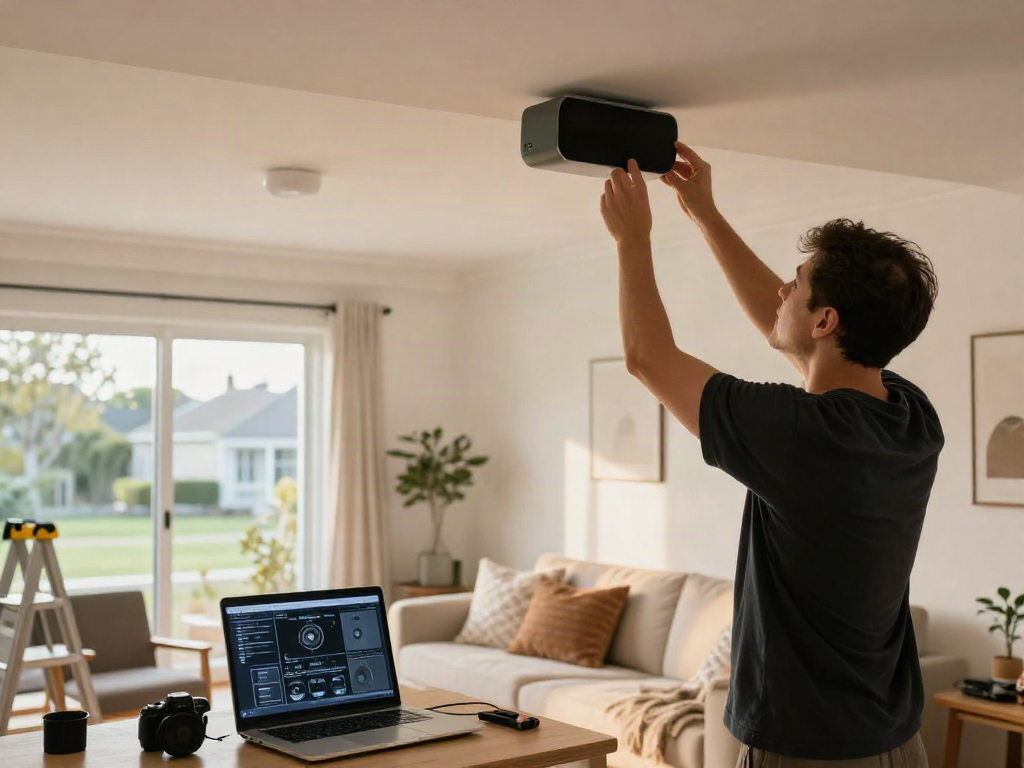
Installing ceiling speakers requires specific tools and equipment to ensure a successful setup:
- Stud finder
- Measuring tape
- Drywall saw or utility knife
- Speaker wire
- Wire strippers
- Drill and bits
- Safety goggles
- Stepladder
Step-by-Step Installation Guide
Follow these steps for an effective installation:
- Determine Speaker Placement: Use the stud finder to mark the locations of beams and decide where to install the speakers.
- Cut Openings: Use the drywall saw to cut holes for the speakers, following the manufacturer's template.
- Run Wires: Feed the speaker wire through the walls or ceiling to the desired location.
- Connect Speakers: Attach the wires to the speakers following polarity instructions.
- Secure Speakers: Insert the speakers into the openings and secure them according to the manufacturer's recommendations.
- Test Sound Quality: Before finalizing the installation, test the sound to ensure proper functionality.
Common Installation Mistakes to Avoid
To avoid pitfalls during installation, consider these common mistakes:
- Improper wire gauge can lead to power loss and sound quality issues; ensure you select the right gauge for your speakers.
- Failing to check for obstructions within the ceiling before cutting can lead to damage.
- Incorrect placement may result in uneven sound distribution; plan speaker layout carefully.
- Neglecting to test the sound before securing everything can lead to costly reworks later.
Enhancing Sound Quality with Ceiling Speakers
Integrating with Existing Home Audio Systems
Ceiling speakers can significantly enhance your existing home audio system. Integration is often seamless, especially with systems designed for multi-room setups. Most modern amplifiers or receivers allow for easy connection to ceiling speakers, enabling an impressive soundscape throughout the house. Ensure compatibility with your current audio equipment for a smooth process.
Using Smart Technology for Sound Control
The rise of smart home technology has transformed how we interact with audio systems. Many ceiling speakers now come equipped with smart technology, allowing users to control sound via smartphone apps or voice commands. This integration not only simplifies operation but also enhances the overall user experience, making it easier to manage different audio zones within your home.
Tips for Fine-Tuning Audio Performance
To optimize sound quality, consider the following tips:
- Use an equalizer to adjust frequencies based on personal preference and room acoustics.
- Experiment with speaker placement for improved sound dispersion; slight adjustments can yield significant changes.
- Invest in high-quality amplifier settings to improve sound clarity and power.
Future Trends in Home Audio: What’s Next for اسپیکر سقفی?
Emerging Technologies in Sound Systems
The home audio industry is continuously evolving, with emerging technologies enhancing audio experience. Innovations such as wireless multi-room systems, sound projection techniques, and AI-driven audio adjustments are on the rise. These advancements promise to offer users more control and customization over their listening environments.
Predicted Industry Changes for 2026
By 2026, we expect notable shifts in the audio landscape. Anticipated changes include:
- Increased emphasis on voice-activated systems for intuitive use.
- Expansion of hybrid speaker designs that combine ceiling and wall options for versatile sound placement.
- Greater focus on eco-friendly materials in speaker construction.
Expert Insights on the Future of Home Audio
Industry experts predict that as smart home technology continues to integrate with audio systems, users will prioritize seamless connectivity and user-friendly interfaces. A strong trend towards personalization will drive consumer choices, giving rise to tailored sound solutions that fit individual preferences and spaces.
What are the advantages of using ceiling speakers?
Ceiling speakers provide several advantages, including enhanced space efficiency, improved sound distribution, and a wide variety of installation options that allow for customization in diverse environments.
How do I choose the right ceiling speakers for my home?
Select ceiling speakers based on room size, intended use, budget, and acoustic features to ensure the best fit for your audio needs.
Can I install ceiling speakers myself?
Yes, with the right tools and a clear understanding of the installation process, many homeowners can successfully install ceiling speakers independently.
What should I consider for optimal sound quality?
Acoustic properties of your room, speaker placement, and integration with existing systems are crucial for achieving optimal sound quality.
What trends should I watch in home audio technology?
Future trends to watch include advancements in smart audio control, eco-friendly speaker designs, and enhanced integration of audio systems with home automation platforms.